Etiquette10 min read
Wedding Dress Codes Explained: How to Word Them (2026)
Ten wedding dress codes, from white tie to casual, what each asks of your guests, and 24 lines to copy onto the invitation, with colors, cultural dress and the shoes your venue needs.
By The Veiloria AtelierPublished Updated
Contents
- How to put the dress code on a wedding invitation: the short answer
- Wedding dress codes, from most to least formal
- Wedding dress code wording for the invitation (24 lines)
- Colors: sharing a palette, or asking guests to avoid one
- Cultural dress and "national dress welcome"
- Weather, shoes and terrain
- Where the dress code goes on a digital invitation
- Frequently asked questions
Put the wedding dress code on the invitation in two or three words, such as "Black tie" or "Cocktail attire", then add one plain sentence saying what that means at your venue. Black tie means tuxedos and floor-length gowns, cocktail means suits and knee-length to midi dresses, and garden or beach codes should also say what to wear on grass or sand.
Below: ten codes in order of formality, 24 lines to copy, then colors, cultural dress and terrain. For the rest of the invitation, see our wedding invitation wording guide.
How to put the dress code on a wedding invitation: the short answer
A dress code is the two or three words that tell guests how formally to dress, plus one sentence that turns them into clothes. "Black tie" is clear to some guests and a puzzle to others.
- Choose one code from the table below. Never blend two ("formal cocktail") without explaining.
- Write it on its own line: lower right on paper, or in its own section online.
- Add one sentence naming the clothes: "Tuxedos and long gowns."
- Add a practical note if the venue needs one: lawn, sand, cobbles, a cold church.
- Add colors only if they help.
For everything else the card holds, see our checklist of what to include in a wedding invitation.
Wedding dress codes, from most to least formal
Nine wedding dress codes are in common use, from white tie down to casual, plus a tenth for themed and cultural dress. Garden party and beach formal describe a setting as much as a level, and sit roughly alongside cocktail.
| Code | What guests wear | Typical setting | A line for the invitation | Designs to match |
|---|---|---|---|---|
| White tie | Tailcoat, white bow tie and waistcoat; full-length evening gown | Evening; palaces, opera houses | "White tie" | Velours |
| Black tie | Tuxedo or dinner jacket; floor-length gown | Evening, after 6 pm | "Black tie" | Cachet, Écrin |
| Black tie optional | Tuxedo or dark suit and tie; long gown or elegant cocktail dress | Evening; hotels, ballrooms | "Black tie optional" | Clair-Obscur |
| Formal | Dark suit and tie; long, midi or very dressy cocktail dress | Day or evening; church and dinner | "Formal attire" | Cathédrale |
| Cocktail | Suit, tie usual; knee-length to midi dress or dressy jumpsuit | Evening; city venues, rooftops | "Cocktail attire" | Minuit, Bulles |
| Semi-formal / smart casual | Suit or blazer, tie optional; day dress or smart separates | Daytime; restaurants | "Semi-formal" | Sucre |
| Garden party | Light suit; floral or pastel midi dress; hats welcome | Daytime, outdoors on grass | "Garden party attire" | Toile, Orangerie |
| Beach formal | Linen suit, no tie; long, flowing dress; sandals | By the sea, warm evenings | "Beach formal" | Nacre, Carte Postale |
| Casual | Sundresses, chinos, shirts; no jeans unless you say so | Backyards, barns, picnics | "Casual" | Instantané |
| Themed and cultural | What you specify: national dress, a theme, one color | Any | "Black tie or national dress" | Jharokha, Zellige |
White tie
White tie is the most formal code there is, and rare at weddings: a black tailcoat with white bow tie and waistcoat, and full-length evening gowns. On very formal British invitations, "evening dress" traditionally means white tie, and "decorations" invites guests to wear their orders and medals.
Black tie
Black tie means tuxedos (dinner jackets in the UK) and floor-length gowns, for an evening wedding. A very dressy midi passes at many American black-tie weddings; a short cocktail dress usually doesn't. For invitations as formal as the code, see luxury digital wedding invitations; for a black and gold palette and black-tie wording to copy, our guide to black and gold wedding invitations.
Black tie optional
Black tie optional means guests may wear black tie, but a dark suit and tie is just as correct. "Black tie preferred" leans further toward the tuxedo.
Formal
Formal means dark suits and ties, with long gowns, elegant midis or very dressy cocktail dresses, by day or evening. Its British daytime form is "morning dress": morning coats, with "lounge suits" (dark business suits) as the accepted alternative.
Cocktail
Cocktail attire means a suit, usually with a tie, and knee-length to midi dresses, dressy jumpsuits or smart separates. Shine and color are welcome; floor-length is optional.
Semi-formal and smart casual
Semi-formal sits a step below cocktail: a suit or blazer, tie optional, and a day dress or smart separates. Smart casual drops the tie: blazers, chinos, sundresses.
Garden party
Garden party dress means light suits in linen or cotton, floral or pastel midi dresses, and hats if guests like them. You'll be on grass, so the real message is block heels, wedges or flats.
Beach formal
Beach formal means dressed up for sand and sun: linen suits without ties, long or flowing dresses, and flat sandals. For the rest of a wedding abroad, see our guide to destination wedding invitations.
Casual
Casual means neat everyday clothes, not beachwear: sundresses, chinos, open collars. If jeans are fine, say so.
Themed and cultural dress
A themed or cultural dress code asks for something specific, so it always needs a sentence of explanation. Think "national dress welcome", "all white", Highland dress, Tracht, or the aso ebi fabric of a Nigerian wedding.
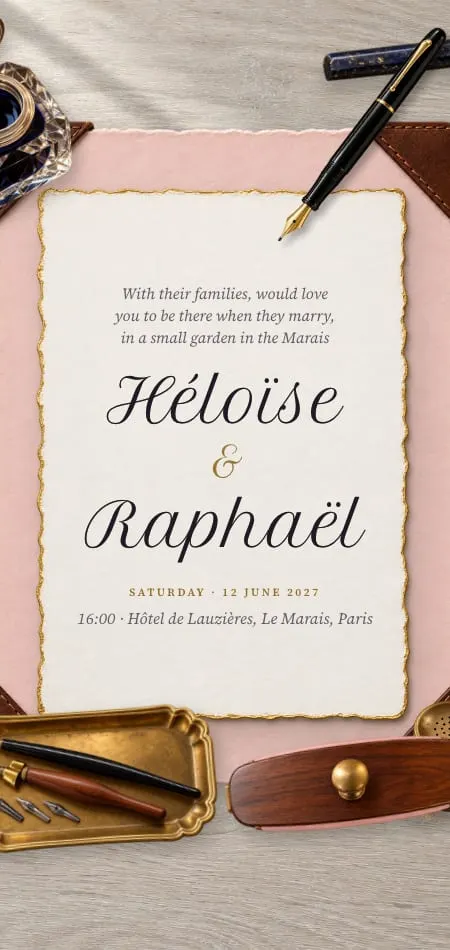
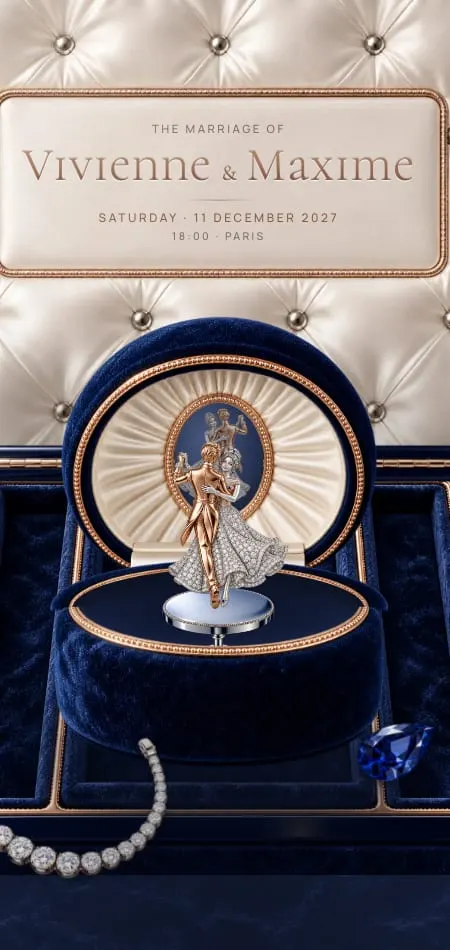
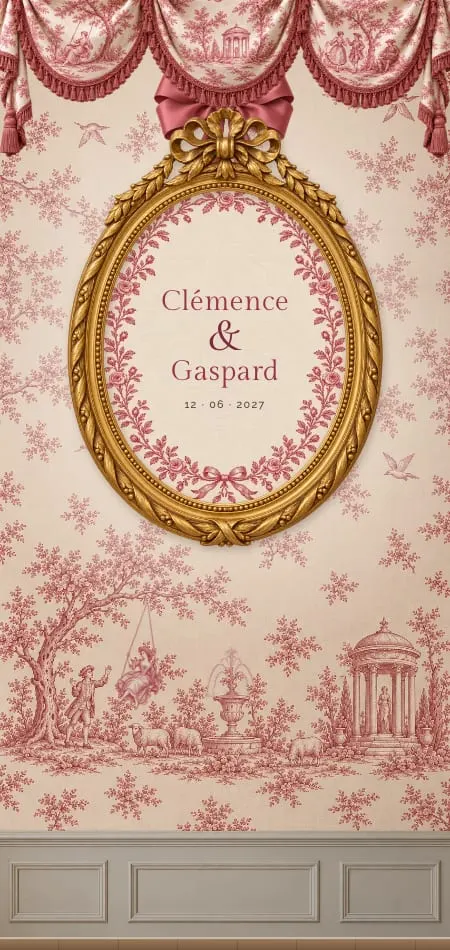
Four designs, four levels: Cachet for black tie, Minuit for cocktails, Toile for a garden, Nacre for the sea. The rest are among all 43 designs.



Wedding dress code wording for the invitation (24 lines)
Each line is a code, mostly with one sentence that explains it. Match its tone to the rest of your invitation.
Black tie and formal (1–7)
1. White tie
White tie
Tailcoats and full-length evening gowns. Decorations may be worn.
2. Black tie
Black tie
Tuxedos and floor-length gowns, please.
3. Black tie preferred
Black tie preferred
Tuxedos and long gowns, please, though a dark suit is fine if you don't own a tuxedo.
4. Black tie optional
Black tie optional
Tuxedos welcome; a dark suit and tie is just as right.
5. Creative black tie
Creative black tie
Formal, with personality: velvet jackets, bold bow ties, gowns in any color you love.
6. Formal
Formal attire
Dark suits and ties; long or elegant midi dresses.
7. Morning dress (British, daytime)
Morning dress or lounge suits
Morning coats are welcome at the church, and a dark lounge suit is equally correct.
Cocktail and semi-formal (8–12)
8. Cocktail
Cocktail attire
Suits, ties optional; knee-length to midi dresses or dressy jumpsuits.
9. Cocktail, New Year's Eve
Cocktail, with a sparkle
Something that catches the light at the midnight countdown.
10. Festive (December)
Festive attire
Cocktail dress with a seasonal touch: velvet, sequins, deep reds and greens.
11. Semi-formal
Semi-formal
Suits or blazers, ties optional; day dresses or smart separates.
12. Smart casual
Smart casual
Blazers without ties, chinos, sundresses and skirts. Please, no jeans.
Garden, beach and casual (13–17)
13. Garden party
Garden party attire
Light suits, florals and midi dresses. The ceremony is on the lawn, so choose block heels or flats.
14. Garden formal
Garden formal
Long or tea-length dresses and light suits with ties. Hats are very welcome.
15. Beach formal
Beach formal
Linen suits without ties and long, flowing dresses. Sandals for the sand.
16. Tropical formal
Tropical formal
Breathable linens and silks; guayaberas welcome. Jackets are optional after sunset.
17. Casual
Casual
Dress as you would for a long lunch with friends: sundresses, chinos, rolled sleeves.
Colors (18–20)
18. A palette to wear
Cocktail attire, in our colors if you like: sage, dusty blue and cream.
19. All white
All white, please
The one wedding where white is exactly right.
20. A color to avoid
Black tie
Our bridesmaids wear emerald, so we'd love you in any other color, and please leave white to the bride.
Cultural and modest dress (21–24)
21. National dress
Black tie or national dress
Saris, kilts, kente and your country's finest are warmly welcome.
22. Tracht (Bavaria and Austria)
Formal attire or Tracht
Dirndl and Lederhosen are as welcome as a dark suit.
23. Aso ebi (Nigerian weddings)
Aso ebi: emerald and gold
Our families' fabric is ready to order. Message Ada by March 1 for yours.
24. Modest
Formal and modest
Shoulders and knees covered, please. In the mosque, women are asked to cover their hair; scarves will be at the door.
Colors: sharing a palette, or asking guests to avoid one
A palette of three to five colors shown on the invitation guides guests better than a list of rules, because they can see it. Write it as an invitation ("in our colors if you like"), not an order.
Asking guests to avoid a color is fine when there's a reason, such as the wedding party's color, or white and ivory for the bride. Name it once, graciously.
Some colors carry meaning. At many Indian weddings red belongs to the bride, and in Chinese and Indian traditions white is the color of mourning and black can read as unlucky, so guests from those traditions may avoid both. If your guests mix traditions, a palette answers the question. For choosing the palette itself, see our guide to wedding invitation colors.
Cultural dress and "national dress welcome"
"National dress welcome" means guests may wear their own culture's formal clothes instead of a suit or gown. Without the line, most won't.
- Say it on the dress code line: "Black tie or national dress" is the established British form.
- Name examples so guests know you mean it: sari, kilt, hanbok, barong, kaftan.
- For a dress code from your culture, tell guests where to buy or rent it, or whom to ask.
- For weddings over several days, give each event its own code. At an Indian wedding, the haldi calls for yellow you don't mind staining, the sangeet for something to dance in, and the wedding for your most formal clothes.
- For separate celebrations, say so plainly. At many Gulf weddings the women's party is an evening-gown occasion: guests arrive in an abaya and take it off inside.
- For a place of worship, name what it asks: covered shoulders and knees in many churches, covered hair for women in a mosque, covered heads for everyone and shoes off in a gurdwara.
Weather, shoes and terrain
The most useful dress code sentence is often about the ground, not the clothes. Guests can't see your venue; you can.
| Where | What to tell guests | Example line |
|---|---|---|
| Lawn | Block heels, wedges or flats | "The ceremony is on the grass: leave the stilettos at home." |
| Sand | Flat sandals, or bare feet | "We'll say our vows on the sand. Sandals are perfect." |
| Gravel or cobbles | Block heels, sturdy soles | "The courtyard is cobbled, so choose your kindest shoes." |
| Stairs or hills | Comfortable shoes; flats to change into | "There are 80 steps to the chapel; wear shoes you can climb in." |
| Evening outdoors | A wrap or jacket | "It cools quickly after sunset: bring a layer." |
Where the dress code goes on a digital invitation
On a digital invitation, the dress code gets its own section: the code as a title, one sentence, the palette as swatches, and the practical note.
Every Veiloria invitation can include a dress code and color palette section, beside the program, the map and the RSVP. Changes are free until the wedding, on the same link, so a late note about the forecast reaches everyone.
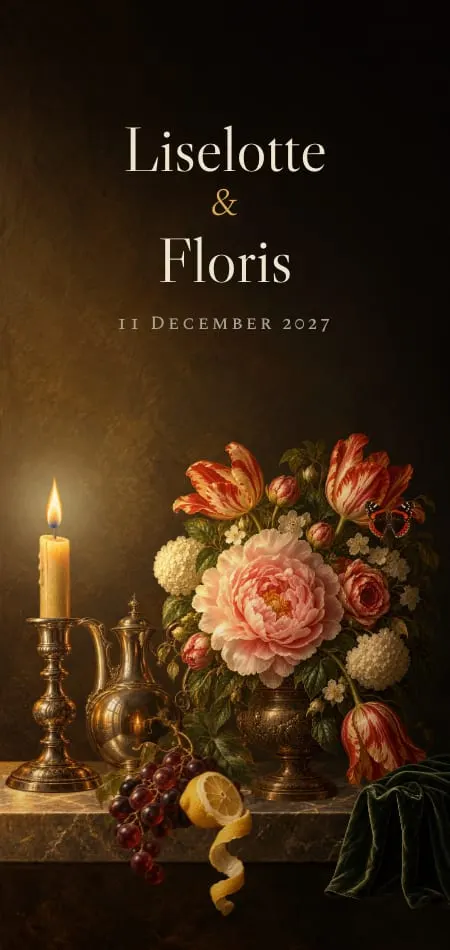
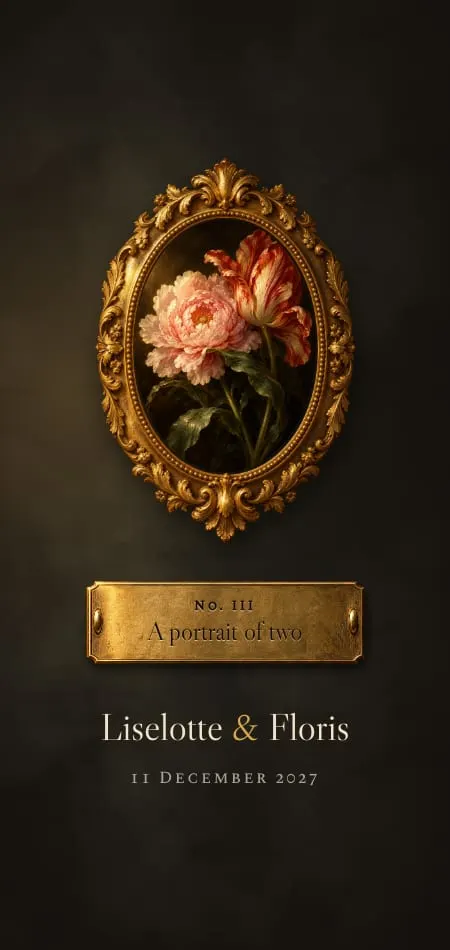
Our demo couple Liselotte and Floris do it in their Clair-Obscur invitation: "Black tie, in dark tones", a palette of deep green, wine, umber, midnight and gold, and a note to bring a wrap because the candlelit castle's stone floors are cold.
Frequently asked questions
How do you put the dress code on a wedding invitation?
Write the dress code in two or three words on its own line, such as "Black tie" or "Cocktail attire", then add one sentence explaining it. On paper it goes lower right or on the details card; on a digital invitation, in its own section with your palette.
What does black tie optional mean for a wedding?
Black tie optional means tuxedos are welcome but not required: a dark suit and tie is just as correct. Long gowns, elegant midis and dressy cocktail dresses all fit.
What is cocktail attire for a wedding?
Cocktail attire means a suit, usually with a tie, and a knee-length to midi dress, dressy jumpsuit or smart separates. Floor-length gowns are optional, not expected.
What does beach formal mean?
Beach formal means dressed up for sand and heat: linen or light suits without ties, long or flowing dresses, and flat sandals. A good invitation adds whether the ceremony is on the sand itself.
Can you ask guests to wear certain colors?
Yes, as long as you ask rather than require. Show a palette of three to five colors with a line such as "in our colors if you like", and name any color to avoid, such as the bridesmaids'.
Can guests wear white to a wedding?
No, not unless the couple asks for it. White, ivory and very pale cream are traditionally left to the bride. For an all-white wedding, say so on the invitation.